Bindu 19

Welcome to Bindu

Periodical and program

After a pause in publication we are again ready to take up the inspiration to make Bindu. From now on the periodical will be released four times a year. Each time with a content of articles, that shed light on various aspects of yoga, tantra and meditation.

Need for information

In recent years meditation and yoga has on several occasions been the subject for public debate. Scandinavian Yoga and Meditation School has actively taken part in this debate. We have also made ourselves available for elaborating upon information for those who have requested it, and have in general experienced an extensive need for information concerning the art of living and science that meditation, tantra and yoga is.

With Bindu we wish to inform and inspire, and if possible bring clarity, where misunderstanding and false conceptions prevail.

Quality of teaching

We also wish to be the mouthpiece for maintaining the quality of teaching in yoga and meditation at as high a level as possible.

In Denmark yoga is mainly taught in evening schools, and has on different occasions been advocated by the Danish Doctors Union, many politicians and a wide range of the population. Yoga has a good reputation, and to live up to this and to keep a high standard, we have recommeneded the evening school leaders to employ only conscientious and qualified yoga teachers, with a recognised education behind them.

In all probability it can work to teach from personal experience, but experience can be built upon fantasy, and when we sometimes see what is passed out under the name of meditation - even under the name of yoga, we don't recognise it. It can be completely diluted and with no bite, and the results that should arise, are not lived up to of what one must demand from real yoga and meditation, and which serious scientific research confirms.

There is a great difference between looking at something from the outside and knowing it from within. The more ability the teacher has, the better he or she can teach and not only the advanced classes, but also where the beginner classes are concerned.

The teacher needs not only the necessary experience, imagination and desire for discovery, but must also be firmly anchored in the original tradition with its rich knowledge. This comes about in the form of a thorough education and training in a tried and tested system. In this way one ensures that it is liberation and concentration, that is achieved, and not confusion, dreams and dull actions.

Bindu goes to the source

In this issue we bring an inspiring article: On the ability to experience by Swami Janakananda, written from the tantric yoga and meditation tradition and his own comprehensive insight into meditation's innermost nature.

Swami Janakananda's sought after book, Yoga, Tantra and Meditation in Daily Life, was released last summer in a revised and extended edition. It is both a thorough and practical handbook, well illustrated, as well as a description of the tantric tradition and the of yoga and meditation background. An indispensable book for you who practice or want to know more about yoga and meditation

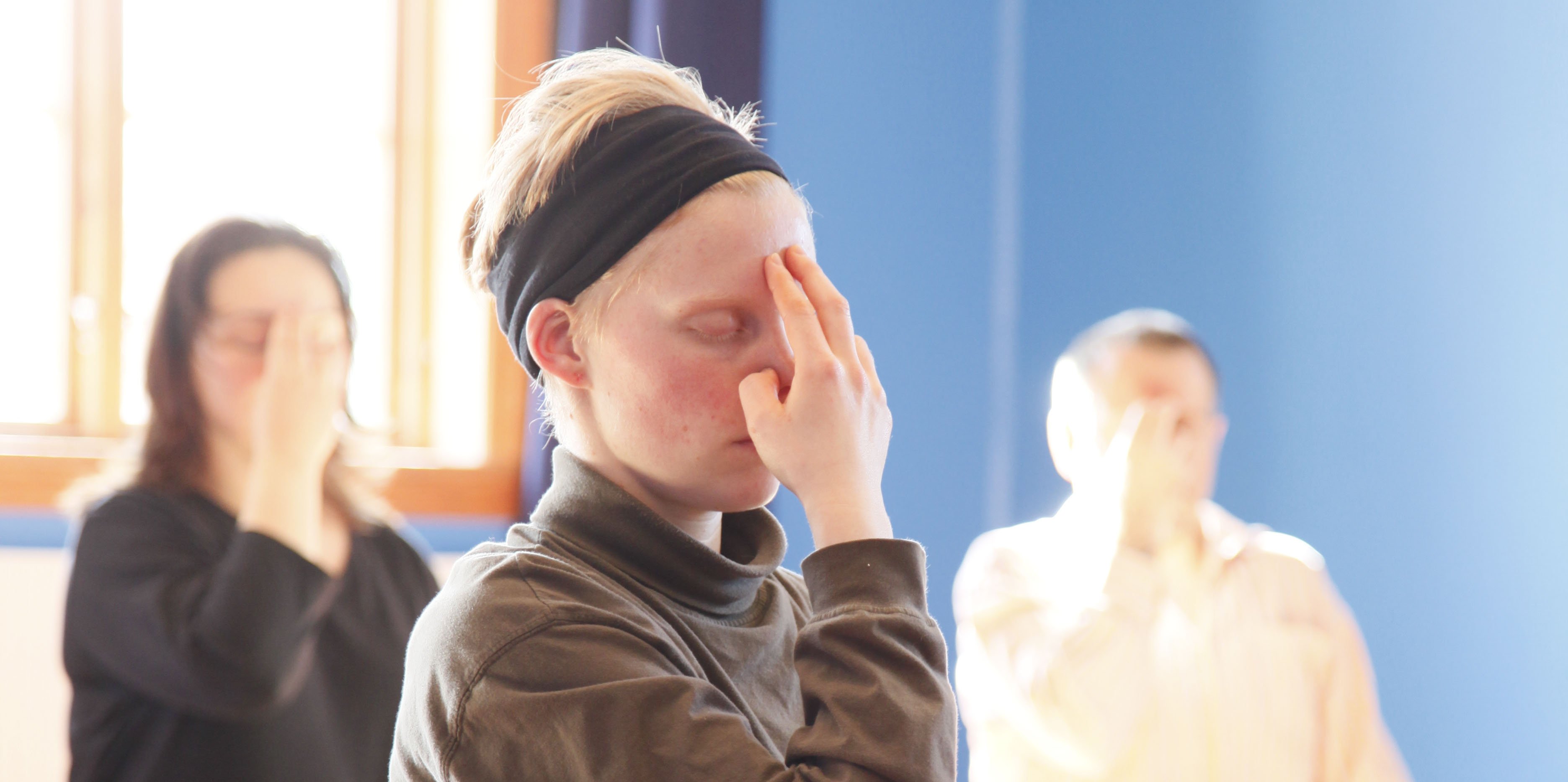
In future Bindus we will describe various yoga exercises in detail. We begin this series with three articles on why and how yoga works, and give an account of headstand and of nose cleansing.

Håå Course Centre

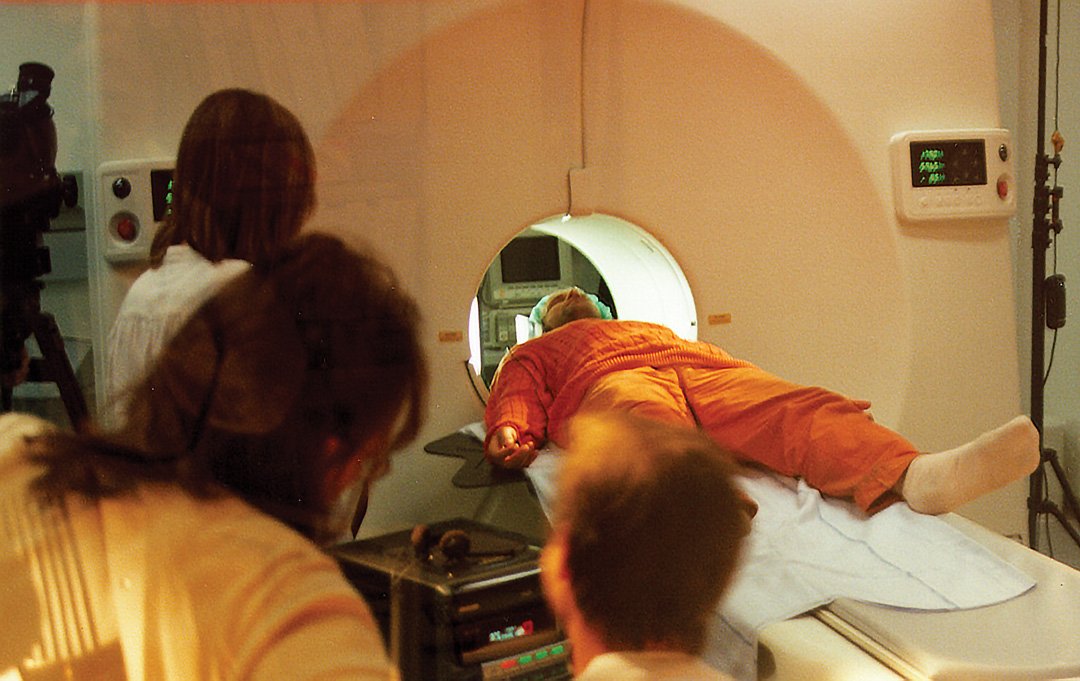
You will find a brief presentation of the Haa International Course Centre in southern Sweden. The Course Centre is not only an important part of the yoga teacher education of Scandinavian Yoga and Meditation School, we have conducted meditation and yoga retreats here since 1972: 10-and 14-day courses during autumn, Christmas, New Year and summer. In late January, Swami Janakananda holds his 20th three-Month Sadhana Course with, among other things, learning of the tantric Kriya Yoga. In the later issues of Bindu, we will publish articles on scientific research, e.g. Lasting and deep-reaching effects by Neuropsychologist Erik Hoffmann Ph.D., research that has, for six successive years, been carried out on the 3-month courses.

The next edition

Bindu will be released again in January, 1994, and will contain an article on, Yoga and the finer energy , about the research done by a Japanese professor on the far reaching effects of the yoga programme, Pawanmuktasana - that is otherwise known as the programme of small wind and tension releasing exercises. It is based on a knowledge of the vital energy, which in India is referred to as Prana. In China it is known as Chi, and this energy's flow and junctions are made use of in Chinese acupuncture.

In another article we will look closer at the meditation The Source of Energy.

Enjoy!